How to Select the Right Safety Shoes Malaysia for Maximum Comfort
Safety shoes are essential PPE in industries such as construction, manufacturing, logistics, and engineering. While their primary role is to protect workers from workplace hazards, comfort is equally important. Employees often spend long hours standing or walking, and uncomfortable footwear can lead to fatigue, foot pain, and reduced productivity.
When selecting safety shoes in Malaysia, businesses and workers should prioritize both safety and comfort. The right footwear provides reliable protection, improves workplace performance, supports employee well-being, and ensures lasting comfort throughout the workday.
Why Comfort Matters in Safety Footwear
Many workers assume safety shoes are heavy and uncomfortable, but modern designs combine safety, durability, and comfort.
Comfortable safety shoes offer several benefits:
- Reduce foot fatigue during long work shifts
- Improve mobility and flexibility
- Support proper posture and body alignment
- Minimize the risk of blisters and pressure points
- Increase overall productivity and job satisfaction
Employees who wear comfortable footwear are more likely to remain focused and perform their duties efficiently throughout the day.
Understand Your Work Environment
The first step in selecting the right safety shoes in Malaysia is understanding the specific work environment where the footwear will be used.
Different industries face different workplace hazards, including:
- Falling objects
- Slippery surfaces
- Sharp materials
- Chemical exposure
- Electrical hazards
- Wet or muddy conditions
Choosing footwear based on actual workplace conditions ensures both protection and comfort, such as waterproof boots for wet environments and lightweight shoes for warehouse work.
Choose the Correct Safety Toe Protection
The safety toe cap is an important protective feature in safety shoes, but it can also influence comfort depending on the material used.
Common options include:
- Steel toe caps: Strong impact protection, but heavier
- Composite toe caps: Lightweight and more comfortable for long hours
- Aluminum toe caps: Balanced protection with reduced weight
Choosing the right toe cap depends on workplace requirements and personal comfort needs.
Prioritize Proper Fit
Even the highest-quality safety shoes can become uncomfortable if they do not fit properly. Incorrect sizing is one of the most common causes of foot pain and discomfort.
When trying on safety shoes, consider the following:
- Ensure adequate space around the toes
- Avoid shoes that feel excessively tight
- Check for heel stability without slipping
- Allow room for work socks
- Walk around to test overall comfort
A proper fit helps prevent blisters, pressure points, and unnecessary strain during long working hours.
Evaluate Cushioning and Insoles
Foot cushioning plays a major role in comfort. Workers who stand or walk for extended periods benefit significantly from well-cushioned footwear.
Look for safety shoes that feature:
- Shock-absorbing midsoles
- Ergonomic footbeds
- Removable insoles
- Arch support systems
- Heel cushioning
Quality cushioning reduces impact on the feet, knees, and lower back while improving overall comfort throughout the day.
Consider Lightweight Designs
Traditional safety shoes were often bulky and heavy. Today, many manufacturers offer lightweight alternatives without compromising protection.
Lightweight safety shoes can help:
- Reduce muscle fatigue
- Improve mobility
- Increase worker comfort
- Enhance productivity
- Minimize stress on joints
For workers who frequently move around large facilities, lightweight footwear can make a significant difference in daily comfort.
Look for Breathable Materials
Malaysia's tropical climate creates hot and humid working conditions for many employees. Breathability is therefore an important factor when selecting safety footwear.
Breathable safety shoes help:
- Improve air circulation
- Reduce heat buildup
- Minimize excessive sweating
- Prevent unpleasant odors
- Increase overall comfort
Common breathable materials include:
- Mesh panels
- Moisture-wicking linings
- Ventilated fabric uppers
- Advanced synthetic materials
Proper ventilation keeps feet cooler and more comfortable throughout long shifts.
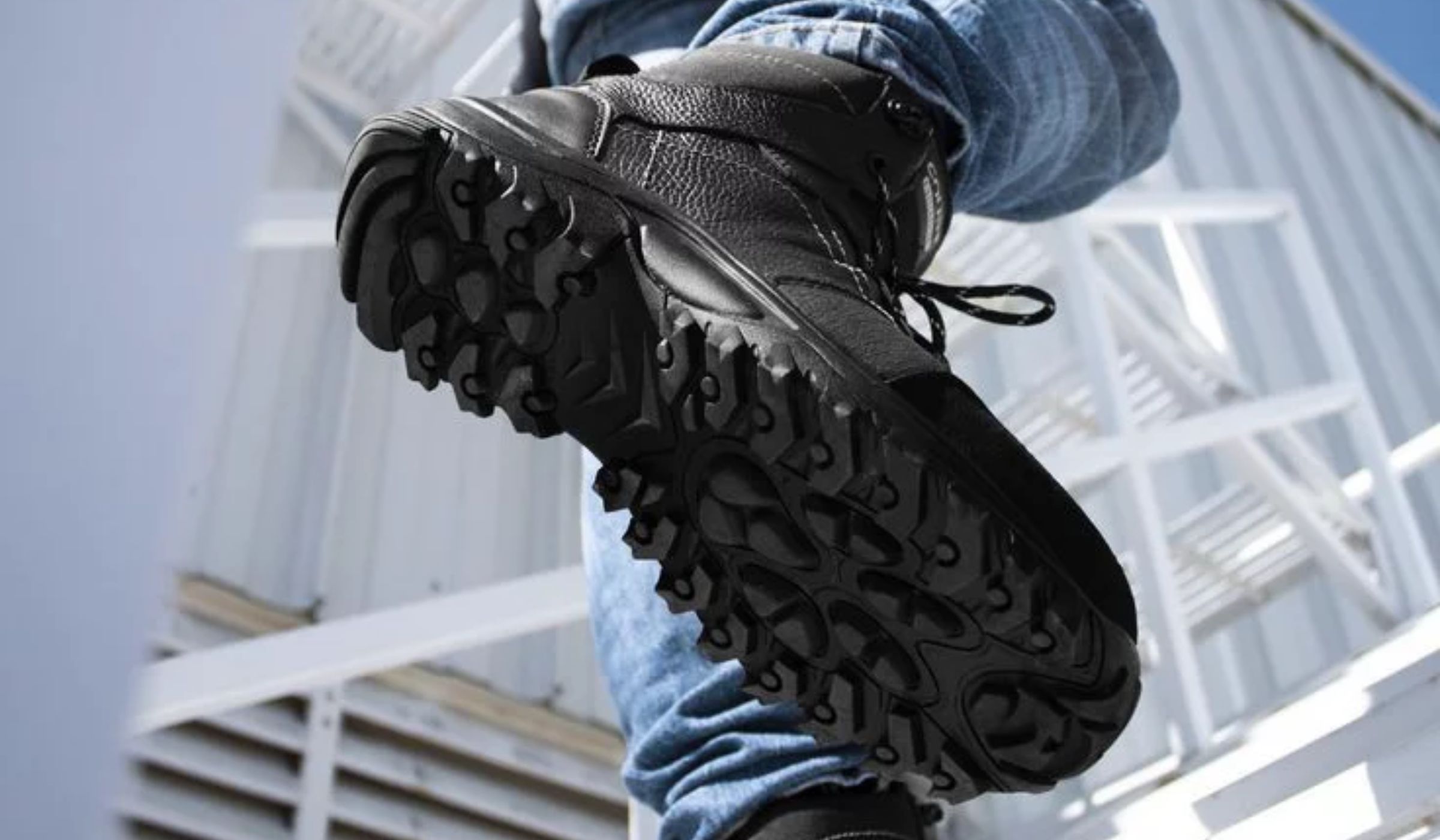
Check Slip Resistance
Slip-and-fall accidents remain a common workplace hazard. Comfortable safety shoes should also provide reliable traction on various surfaces.
When evaluating slip resistance, look for:
- Deep tread patterns
- Oil-resistant outsoles
- Anti-slip rubber compounds
- Certified slip-resistant ratings
Good traction not only improves safety but also helps workers move confidently without unnecessary strain.
Assess Arch Support Requirements
Different individuals have different foot structures. Some workers have high arches, while others have flat feet or neutral arches.
Proper arch support can help:
- Improve balance
- Reduce foot fatigue
- Minimize lower back discomfort
- Prevent overpronation
- Enhance walking comfort
Workers with specific foot conditions may benefit from customized insoles or orthopedic support solutions.
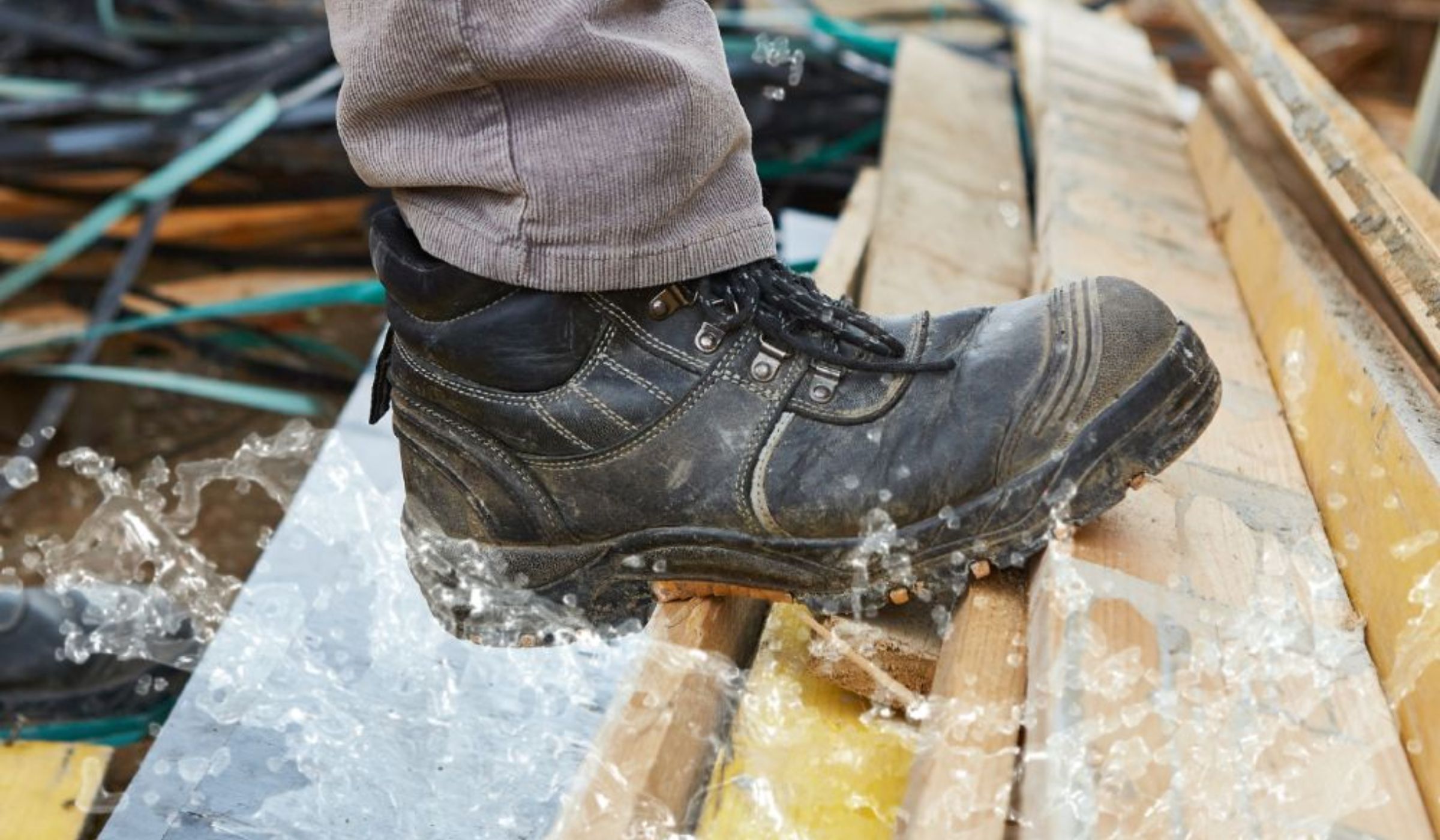
Consider Waterproof Features
For workers exposed to rain, water, mud, or wet industrial environments, waterproof safety shoes can significantly improve comfort.
Benefits of waterproof footwear include:
- Keeping feet dry
- Reducing skin irritation
- Improving hygiene
- Maintaining warmth in wet conditions
- Enhancing workplace comfort
However, it is important to choose waterproof shoes that still offer adequate breathability to prevent heat buildup.
Evaluate Sole Flexibility
Comfort is influenced not only by cushioning but also by sole flexibility. Extremely rigid footwear may restrict natural foot movement and increase fatigue.
Flexible safety shoes help:
- Support natural walking motion
- Improve mobility
- Reduce muscle strain
- Increase comfort during prolonged use
The ideal balance combines flexibility with sufficient stability and protection.
Review Safety Certifications
Comfort should never come at the expense of safety. Always verify that the footwear complies with relevant safety standards and certifications.
Common certifications may include:
- EN ISO safety standards
- ASTM standards
- SIRIM certifications
- Industry-specific compliance requirements
Certified products provide confidence that the footwear meets recognized performance and protection requirements.
Consider Long-Term Durability
Comfort often depends on how well safety shoes maintain their structure over time. Low-quality footwear may initially feel comfortable, but quickly lose support and cushioning.
High-quality safety shoes offer:
- Longer lifespan
- Better value for money
- Consistent support
- Reliable performance
- Reduced replacement frequency
Investing in durable footwear can lower long-term costs while improving user satisfaction.
Test Before Making Bulk Purchases
For businesses purchasing safety shoes for employees, testing samples before placing large orders is highly recommended.
A trial program allows organizations to:
- Gather employee feedback
- Evaluate comfort levels
- Assess durability
- Verify sizing accuracy
- Confirm workplace suitability
This approach helps ensure the selected footwear meets the needs of the workforce.
Choose a Trusted Safety Shoes Malaysia Supplier
Selecting the right supplier is just as important as choosing the right product. Reputable suppliers offer quality footwear, expert recommendations, and dependable after-sales support.
When evaluating suppliers, consider:
- Industry experience
- Product certifications
- Range of safety shoe options
- Customization capabilities
- Customer service reputation
Working with an established supplier helps ensure consistent product quality and long-term reliability.
Conclusion
Selecting the right safety shoes Malaysia for maximum comfort requires careful consideration of workplace conditions, fit, cushioning, breathability, durability, and safety features. Comfortable footwear not only protects workers from hazards but also supports productivity, reduces fatigue, and improves overall workplace well-being.
By focusing on comfort alongside safety compliance, businesses and workers can make smarter footwear choices that deliver long-lasting performance and protection. Investing in high-quality safety shoes is ultimately an investment in employee safety, efficiency, and job satisfaction.
