A Guide to Working with a Safety Boots Manufacturer in Malaysia
In industrial, construction, logistics, and oil & gas sectors, safety footwear is not just an option—it’s a legal and operational necessity. Malaysia’s growing industrial landscape requires high-quality safety boots to protect workers from common hazards like sharp objects, electrical risks, slippery surfaces, and heavy machinery.
For businesses sourcing safety boots, working directly with a safety boots manufacturer in Malaysia offers significant advantages, including customization, cost-effectiveness, and quality control. However, knowing how to choose the right manufacturer and collaborate effectively is crucial to getting the best value.
This guide covers everything you need to know about working with a Malaysian safety boots manufacturer—from understanding product standards to building a strong partnership.
Why Choose a Local Manufacturer?
Malaysia has a well-established manufacturing base for Personal Protective Equipment (PPE), including safety boots. Choosing a local manufacturer offers several advantages:
1. Cost-Effective Procurement
By working directly with a manufacturer, you can eliminate middlemen and reduce costs. Local production also avoids expensive import duties and long delivery times from overseas suppliers.
2. Faster Lead Times
Local factories offer shorter production and delivery times, which is ideal if you need urgent restocking or custom orders.
3. Customization
A local manufacturer can customize designs, features, and branding according to your specific industry needs. This includes adding company logos, selecting sole patterns, or specifying color schemes.
4. Easier Quality Control
Visiting a Malaysian factory is more practical and cost-effective than auditing a distant overseas plant. You can inspect production processes and ensure consistent quality.
5. Compliance with Malaysian Standards
Local manufacturers are familiar with DOSH (Department of Occupational Safety and Health) regulations and SIRIM certifications, making it easier to meet Malaysian workplace safety requirements.
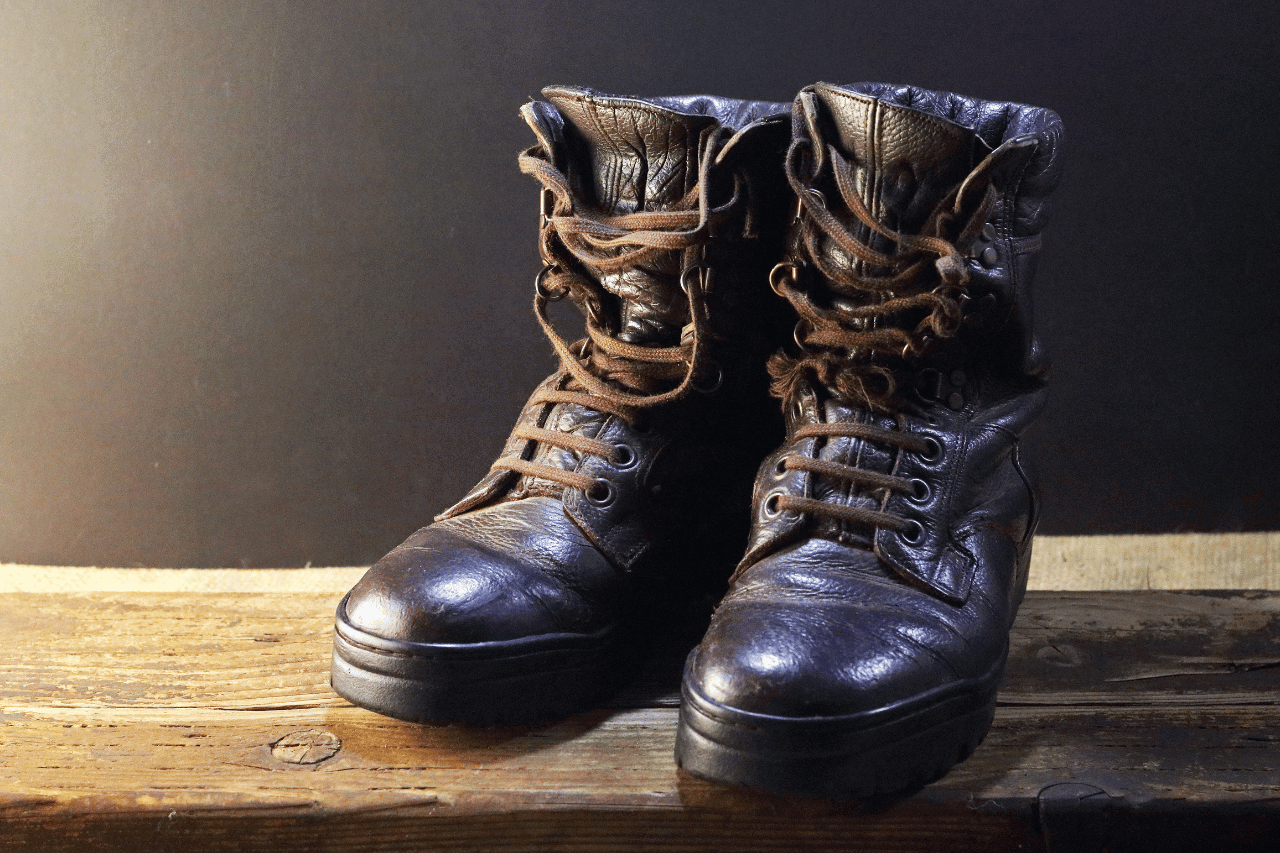
Key Features of High-Quality Safety Boots
Before engaging a manufacturer, understand what makes a safety boot effective and compliant:
1. Toe Protection
Most industries require steel-toe or composite-toe boots to protect against impact and compression.
2. Slip-Resistant Outsoles
Good safety boots should feature anti-slip soles with deep treads to prevent falls, especially in wet or oily environments.
3. Electrical Hazard Protection
For electrical workers, boots should have EH-rated soles to reduce the risk of shock.
4. Puncture Resistance
Midsole plates made from steel or Kevlar protect against sharp objects penetrating the sole.
5. Water Resistance or Waterproofing
In wet working environments, waterproof boots help prevent foot discomfort and health issues such as fungal infections.
6. Comfort & Ergonomics
Safety boots should be lightweight, cushioned, and breathable, especially for long-term use.
7. Heat and Chemical Resistance
Industries like manufacturing or oil & gas require boots that can withstand high temperatures or chemical exposure.
How to Choose the Right Safety Boots Manufacturer in Malaysia
Choosing the right partner is crucial for safety, worker satisfaction, and regulatory compliance. Here’s how to evaluate potential manufacturers:
1. Check Certifications
Look for manufacturers who comply with:
- MS ISO 20345:2011 (Malaysian Standard for Safety Footwear)
- SIRIM Certification (Product certification for Malaysian market compliance)
- CE Marking (For products intended for export to Europe)
2. Visit the Factory (If Possible)
A site visit allows you to:
- Inspect the production process
- Check raw material sourcing
- Observe quality control measures
- Review storage and packaging processes
3. Review Product Samples
Request a variety of samples to:
- Test comfort, durability, and fit
- Verify stitching and sole bonding quality
- Check anti-slip performance
- Test the toe cap and puncture resistance
4. Ask About Customization Options
A reliable manufacturer should offer:
- Branding options (logo embossing, custom labels)
- Color customization
- Design adjustments for different sectors (construction, oil & gas, logistics, etc.)
5. Discuss Minimum Order Quantities (MOQs)
Understand the minimum order requirements to plan your procurement budget effectively.
6. Assess Lead Times
Ask about production timelines, especially for custom orders. Typical lead times can range from 4 to 8 weeks, depending on order size.
7. Negotiate After-Sales Support
Reliable manufacturers offer:
- Warranty on workmanship
- Defective product replacement policies
- Ongoing customer service for repeat orders
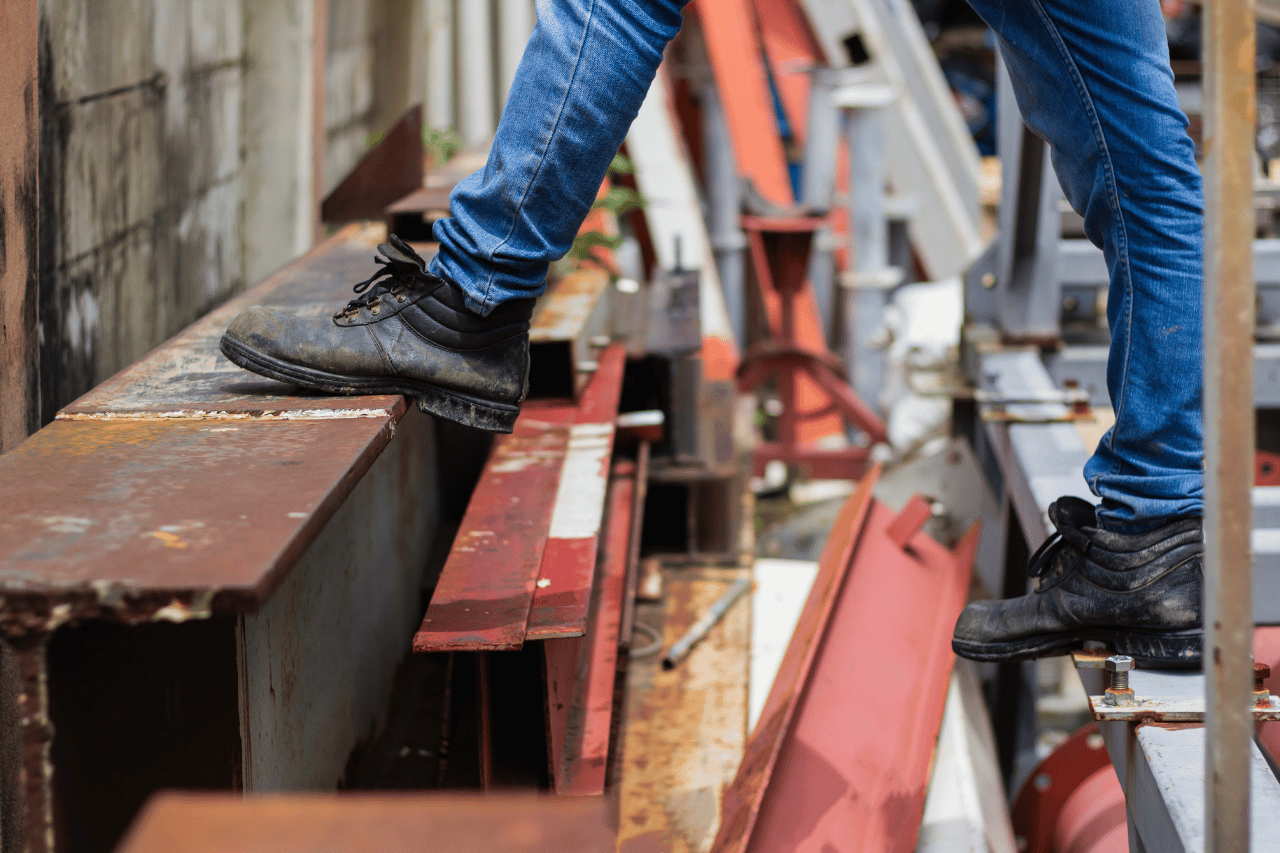
Common Challenges and How to Avoid Them
Working with a safety boots manufacturer is a business partnership. Here are some potential challenges and solutions:
1. Miscommunication
Clear communication is vital, especially for custom orders. Use detailed purchase orders, samples, and written specifications to prevent misunderstandings.
2. Inconsistent Quality
Before shipment, perform random checks on every batch and request quality assurance reports. Some manufacturers also offer third-party inspection services.
3. Supply Chain Disruptions
To avoid delays:
- Establish a buffer stock
- Build a long-term relationship with the manufacturer
- Have backup suppliers for emergencies
The Process of Working with a Safety Boots Manufacturer
Here’s a step-by-step guide to working with a Malaysian safety boots manufacturer:
Step 1: Define Your Needs
- Industry type (construction, oil & gas, logistics, etc.)
- Safety requirements (toe cap, sole type, water resistance)
- Quantity needed
- Delivery schedule
Step 2: Research and Shortlist Manufacturers
- Use online directories, trade fairs, or referrals
- Check websites, product catalogs, and customer reviews
Step 3: Request a Quote and Samples
- Provide detailed specifications
- Ask for unit pricing based on quantity tiers
- Test the samples for performance
Step 4: Place the Order
- Confirm the design and features
- Sign a contract or purchase order detailing price, lead time, payment terms, and warranty
Step 5: Monitor Production
- Stay in touch with the factory’s sales or project manager
- Request progress updates and photos
- Schedule inspections if needed
Step 6: Delivery and After-Sales Service
- Check the shipment upon arrival
- Report any defects immediately
- Maintain regular contact for reorders or new models
Why Malaysian-Made Safety Boots Are a Smart Choice
Malaysian safety boot manufacturers are known for:
- Competitive pricing without compromising on quality
- Compliance with local and international safety standards
- Ability to produce tropical climate-friendly designs (lightweight, breathable, water-resistant)
- Proximity to Southeast Asian markets, reducing logistics costs for regional businesses
Final Thoughts
Working with a safety boots manufacturer in Malaysia is a strategic decision for companies looking to balance cost, quality, and compliance. By choosing the right partner, you can ensure your workers have the protection they need while optimizing procurement efficiency.
Whether you are outfitting a small team or managing nationwide distribution, understanding the process of sourcing from a manufacturer helps you make informed decisions and build long-term supplier relationships.
If you’re ready to partner with a trusted Malaysian safety boots manufacturer, start by researching local providers, requesting samples, and setting clear expectations for quality and service.
